

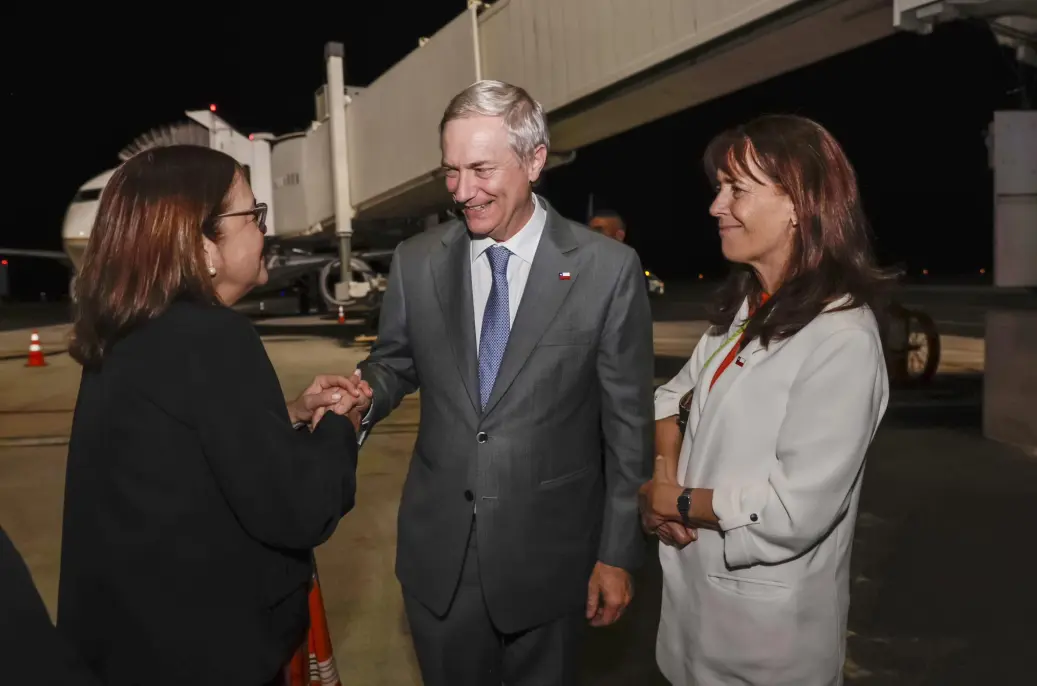
José Antonio Kast, the recently elected President of Chile, made a high-profile visit to El Salvador in late January, drawing regional and international attention.
For many outside Latin America, Kast may be an unfamiliar figure, but his visit — and its timing — offers important clues about the priorities of Chile’s next government and about El Salvador’s growing influence in regional security debates.
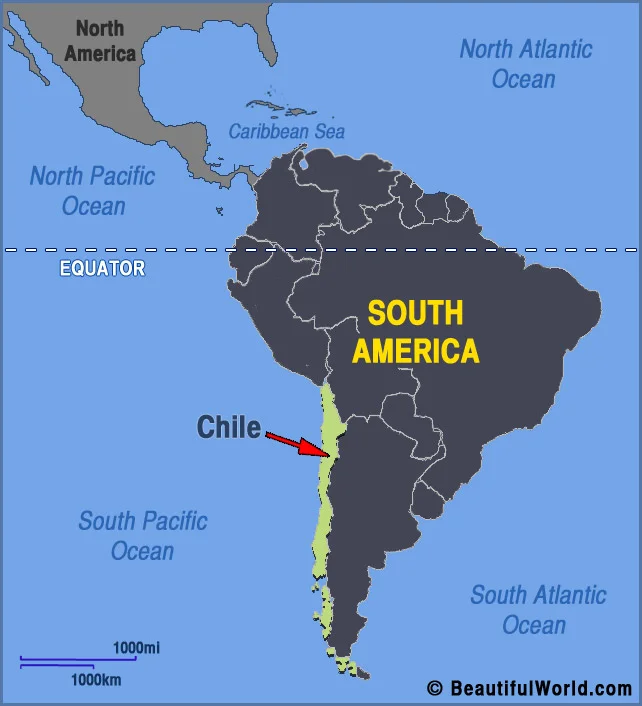
Who is José Antonio Kast?
José Antonio Kast is a Chilean politician and leader of the Republican Party who won Chile’s presidential election in December 2025.

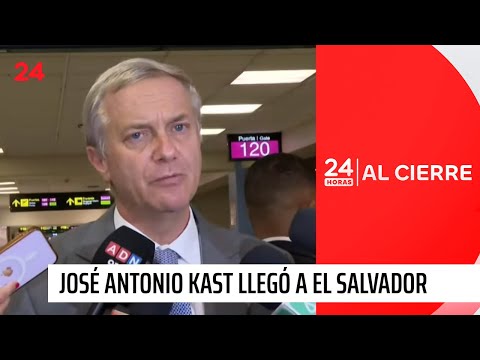
Known for his strong emphasis on public order, state authority, and security, Kast campaigned on addressing rising crime and organized criminal activity — issues that have become central concerns for many Chileans in recent years. He is scheduled to formally assume office in March 2026.
A visit with new political weight
This was not Kast’s first trip to El Salvador. In April 2024, while still an opposition leader, he visited the country and toured the CECOT (Terrorism Confinement Center), El Salvador’s maximum-security prison.
That earlier visit was informal and technical in nature; Kast did not meet President Nayib Bukele and framed the trip as an opportunity to observe security policies rather than engage diplomatically.
The recent visit, however, is fundamentally different. As President-elect of Chile, Kast now represents the incoming government. His meetings and public appearances therefore carry official significance, even before his formal inauguration.
In this context, the trip can reasonably be understood as a de facto official visit.

Meeting President Bukele and the focus on security
During his stay, Kast met with El Salvador’s President Nayib Bukele and again visited the CECOT facility. Discussions centered on public security, organized crime, and prison systems — areas where El Salvador has drawn both praise and criticism for its aggressive policies against gangs and criminal organizations.

Kast has stated that Chile does not intend to replicate El Salvador’s approach wholesale. Instead, he has emphasized studying how El Salvador restored state control, improved enforcement capacity, and prioritized security at the highest political level, with the goal of adapting certain lessons to Chile’s legal and institutional framework.

El Salvador’s growing regional influence
El Salvador’s security strategy has become a reference point across Latin America, particularly in countries where citizens perceive that crime and organized violence are increasing faster than the state’s ability to respond.
Regardless of international controversy, the visible reduction of everyday violence has given El Salvador outsized influence in regional discussions about law enforcement and state authority.
Kast’s visit reflects this shift. By engaging with Bukele as President-elect, he is signaling that security will be a defining priority of his administration and that Chile is open to learning from experiences in the region.

More than a policy visit
Beyond security policy, the visit also serves a diplomatic purpose. It introduces Kast to the international stage as Chile’s next head of government, establishes early relationships with regional leaders, and communicates — both domestically and abroad — the direction his presidency is likely to take.

In short, while José Antonio Kast has visited El Salvador before, this trip marks his transition from political observer to incoming head of state. It highlights how El Salvador has become an unavoidable reference in Latin America’s security debate and signals how Chile’s next government intends to position itself in that conversation.
José Antonio Kast’s visits to El Salvador in 2024 and again in January 2026 illustrate a broader regional trend. In 2024, Kast traveled to the country as a Chilean presidential candidate; in 2026, he returned as Chile’s president-elect — a status he holds until the formal inauguration ceremony takes place.
The contrast between these two visits highlights how El Salvador, and President Nayib Bukele in particular, have become reference points for politicians across the region.
For many political leaders, being seen in El Salvador or associated with Bukele signals a commitment to restoring order and strengthening public security.
This is especially relevant in Latin America, where crime, gangs, and organized criminal groups have expanded in recent years, often outpacing the state’s response. As a result, El Salvador now carries significant symbolic and political weight in regional debates about security, making it a destination that many politicians deliberately seek out.
Please follow us on X!
Follow @ElSalvadorENx